
Emotional Triggers: Understanding Why Some Days Are Harder Than Others
Emotional Triggers: Understanding Why Some Days Are Harder Than Others
Dec 8, 2025
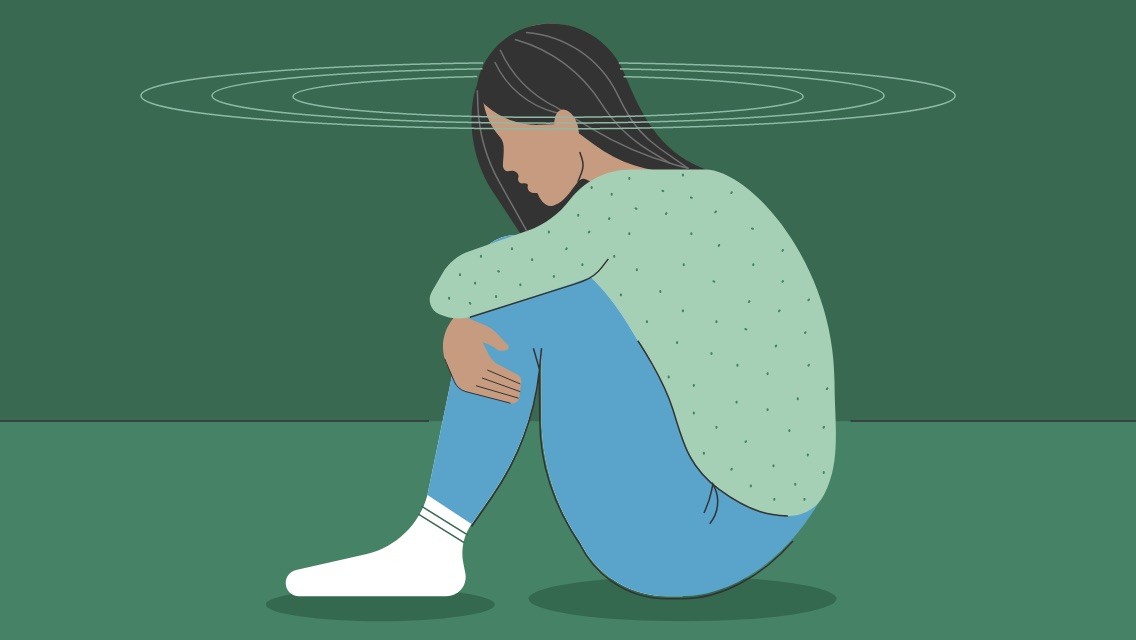
If you ever wonder why some days feel impossible while others feel perfectly manageable, you’re not alone. It's a common experience for everyone, yet often misunderstood. The truth is, these fluctuations are rarely random. Emotional triggers play a major role in shaping our cravings, our behavior, and our overall capacity to navigate life's challenges. They can make the difference between a day of smooth sailing and one where every small obstacle feels monumental.
This article aims to bring clarity to this often confusing experience. We'll explore what emotional triggers truly are, why their impact varies so significantly from one day to the next, and most importantly, what practical steps you can take to understand and manage them. Get ready to gain a deeper insight into your inner world and build resilience against those unexpectedly hard days.
What Are Emotional Triggers?
At their core, emotional triggers are internal feelings, thoughts, or memories that significantly intensify urges or specific behaviors. They often appear suddenly, sometimes feeling disproportionate to the situation at hand. These triggers can be conscious, like a clear thought of “I feel stressed and need a break,” or they can be more subtle and unconscious, manifesting as a vague sensation of “I just feel off today.”
Think of them as internal alarm bells, signaling a need or an emotional state that your brain has learned to associate with a particular coping mechanism. They are a normal part of the human experience and understanding them is the first step toward managing them.
Common examples of emotional triggers include:
Feeling lonely and disconnected.
Receiving criticism or negative feedback.
Remembering a past event that evokes strong emotions.
Feeling overwhelmed by tasks or responsibilities.
Experiencing persistent boredom or lack of stimulation.
Recognizing these triggers helps us understand that these intense feelings are not arbitrary. They are signals, and learning to interpret them can empower us to respond constructively.
Why Some Days Are Harder Than Others
It’s not your fault when some days feel harder. The intensity of emotional triggers is rarely constant. Several factors contribute to why your emotional resilience can fluctuate dramatically.
3.1 Emotional Load Varies
Some days simply carry a heavier emotional burden than others. We might be dealing with a confluence of stressors such as increased work pressure, relationship conflicts, financial worries, or chronic anxiety. When your day is filled with these challenges, your emotional capacity naturally diminishes. It's like a battery draining throughout the day. With less charge, even minor irritations can feel like major setbacks, making you more susceptible to the pull of your triggers.
3.2 The “Vulnerability Factor”
Certain physiological and psychological conditions can amplify the power of emotional triggers, creating what we call a “vulnerability factor.” When you're in a vulnerable state, your emotional bandwidth is low, and your resources for self-regulation are depleted. Even small triggers can feel overwhelming.
Key vulnerability factors include:
Poor sleep: Lack of restful sleep impairs decision-making and emotional regulation.
Hunger: Low blood sugar can lead to irritability and increased emotional reactivity.
High stress: Chronic stress wears down your coping mechanisms.
Hormonal changes: Fluctuations can profoundly impact mood and emotional sensitivity.
Feeling isolated: A lack of social connection can heighten feelings of loneliness and vulnerability.
Being overstimulated: Too much sensory input can exhaust your mental resources.
3.3 The Brain Loves Patterns
Your brain is an incredible pattern-recognition machine. Over time, it learns to associate certain emotional discomforts with specific coping behaviors. For example, if you consistently turn to a particular substance or habit when feeling stressed, your brain establishes a strong neural pathway. So, when stress rises, the urge to engage in that behavior automatically follows. This isn't a sign of personal failure; it's simply your brain operating on learned associations. Understanding this automatic process can help you create new, healthier patterns.
3.4 Emotional Memory
Our minds store a vast library of emotional memories. Some days, for reasons we might not immediately recognize, these past experiences or unresolved emotions come to the surface. A particular smell, a song, a conversation, or even just a time of year can unconsciously tap into these memories, triggering strong emotions and associated urges, even if the day seems otherwise “normal.” This deep-seated emotional memory can powerfully influence our present state.
Common Emotional Triggers
Recognizing common emotional triggers is crucial for building self-awareness. While your specific triggers might be unique, many follow universal themes. Here are some of the most frequently experienced emotional triggers:
4.1 Stress & Overload
Stress is arguably one of the most powerful and universal triggers. Whether it's the pressure of work deadlines, financial burdens, or the demands of daily life, feeling overwhelmed can quickly deplete your resources and amplify urges. This is a common factor in why stress makes you crave particular coping mechanisms, as the brain seeks rapid relief from discomfort.
4.2 Anxiety or Feeling Out of Control
When the world feels too loud, unpredictable, or overwhelming, feelings of anxiety or a loss of control can surge. This can manifest as generalized worry, panic, or a sense of unease that propels individuals towards behaviors that offer a temporary feeling of control or escape.
4.3 Loneliness
Both physical and emotional loneliness play a significant role. Physical loneliness is the absence of others, while emotional loneliness is feeling misunderstood or disconnected even when surrounded by people. Both forms can trigger deep-seated needs for connection and comfort, leading to attempts to fill that void.
4.4 Boredom
Surprisingly, boredom is a remarkably powerful trigger. The human mind inherently seeks stimulation and purpose. When we experience a lack of engaging activity or mental stimulation, the mind can wander into unproductive or self-sabotaging patterns, seeking quick fixes to alleviate the emptiness.
4.5 Sadness or Low Mood
Moments of sadness, grief, or general low mood often lead to a desire for comfort, relief, or an escape from emotional pain. This desire for an uplift or a temporary reprieve can be a strong driver towards coping behaviors.
4.6 Anger or Frustration
When emotions become too intense to manage constructively, such as acute anger or prolonged frustration, the surge of adrenaline and emotional discomfort can push individuals toward actions that release tension, even if those actions are ultimately unhelpful. This often appears when people feel unjustly treated or unheard.
4.7 Shame or Self-Criticism
Negative self-talk, feelings of unworthiness, or overwhelming shame can be incredibly destructive. These internal narratives create immense emotional pain, pushing individuals toward coping behaviors as a means to silence the inner critic or temporarily escape from feelings of inadequacy. This cycle is particularly challenging because the coping behavior itself can sometimes intensify shame, creating a difficult loop.
How to Identify Your Own Emotional Triggers
Understanding your unique emotional triggers is a cornerstone of self-management. This process involves self-observation, pattern recognition, and building greater awareness of your internal and external landscape. It’s about becoming a detective of your own emotions.
5.1 Pay Attention to “Transitions”
Triggers often appear during moments of transition, when you move from one activity or state to another. These are times when your routine changes, and your mind might be searching for its next engagement. Common transition points include:
Immediately after work, as you shift from professional to personal time.
Upon arriving home, particularly if your home environment holds specific emotional associations.
Before bed, when thoughts might intensify in the quiet.
After arguments or stressful conversations.
During periods of unstructured time, such as weekends or holidays.
Noticing these patterns helps you anticipate challenging moments.
5.2 Track Your Mood and Use Patterns
Developing a habit of tracking your mood and identifying patterns is incredibly insightful. Pay attention to what you were feeling just before an urge or difficult moment arose. Are there repeating emotional themes? Do certain situations consistently precede heightened stress or anxiety?
Tools can assist in this process. For instance, the coobi care app is designed as a supplementary medical resource for aiding in recovery, aftercare, and providing informational and behavioral guidance. It supports the recognition and reflection of changes in behavior and condition and helps foster healthy self-initiative, allowing users to track their emotional state and identify repeating patterns that might influence their behavior. By providing data-driven insights into your emotional journey, coobi care empowers you to proactively understand your triggers and build resilience.
5.3 Ask Yourself Reflective Questions
Cultivating a habit of self-inquiry can illuminate unconscious triggers. When you notice a strong urge or a sudden shift in mood, pause and ask yourself:
“What was I feeling right before this craving or intense emotion?”
“Has anything stressful or emotionally charged happened today that I might be overlooking?”
“Am I physically depleted? Am I tired, hungry, or dehydrated?”
“What thoughts are running through my mind right now?”
These questions encourage mindfulness and help you connect the dots between your experiences and your emotional state.
5.4 Watch for Physical Signals
Emotional triggers don't always start in your head; often, they manifest in the body first. Learning to recognize these physical signals can give you an early warning system. Pay attention to sensations such as:
A tight chest or shallow breathing.
Restlessness or an inability to sit still.
Increased irritability or short temper.
Difficulty focusing or a foggy mind.
Muscle tension, especially in the neck or shoulders.
A knot in your stomach.
These physical cues are your body's way of communicating stress or emotional discomfort, often before your conscious mind fully registers the emotion.
How to Handle Emotional Triggers When They Show Up
Identifying triggers is one step; learning to manage them is another. These practical strategies can empower you to navigate challenging moments with greater intention and control.
6.1 Pause and Label the Emotion
The simple act of pausing and mentally labeling the emotion you're experiencing can significantly weaken its power. Instead of being swept away, you create a moment of distance. Saying to yourself, “I’m feeling stressed and overwhelmed right now,” or “This is sadness,” acknowledges the feeling without allowing it to control you. This mindfulness technique helps you observe the emotion rather than becoming it.
6.2 Create a ‘Difficult Moment Plan’
Preparation is key. Develop a personalized plan for when triggers appear. This involves pre-deciding on healthy alternatives to your usual coping mechanisms. Your plan might include:
Taking a brisk walk or stepping outside for fresh air.
Drinking a glass of water to hydrate and reset.
Calling a supportive friend or family member.
Using a grounding technique, like focusing on five things you can see, four you can touch, three you can hear, two you can smell, and one you can taste.
Committing to a delay: tell yourself you will wait 10 or 15 minutes before acting on the urge.
Having a plan reduces decision fatigue when you're under emotional duress.
6.3 Build Healthy Alternatives
Actively substitute old behaviors with new, healthy ones. This isn't about denial; it's about re-training your brain to find comfort and relief in constructive ways. Examples include:
Engaging in light stretching or yoga.
Journaling your thoughts and feelings.
Listening to calming music or an inspiring podcast.
Tackling a small, manageable task to regain a sense of accomplishment.
Making a cup of herbal tea and savoring the moment.
6.4 Use Self-Compassion
Beating yourself up or engaging in negative self-talk only intensifies emotional triggers and fuels the cycle of distress. Instead, practice self-compassion. Treat yourself with the same kindness and understanding you would offer a friend. Remind yourself, “This is a hard moment, and I am doing my best.” Self-kindness reduces the internal pressure and allows for a more open, constructive response to difficult emotions.
6.5 Environmental Reset
Sometimes, a small change in your physical environment can interrupt a powerful emotional loop. If you find yourself in a triggered state, try to:
Move to another room in your house.
Step outside for a few minutes.
Put on a calming video or music.
Adjust the lighting or open a window.
These small shifts can provide a much-needed break from the immediate internal and external cues reinforcing the trigger.
Preparing for Harder Days
Anticipation is a powerful tool. By recognizing potential challenges in advance, you can significantly reduce the impact of emotional triggers and strengthen your ability to navigate difficult days.
7.1 Recognize Your Warning Signs
Become attuned to the personal indicators that suggest a harder day might be ahead. These could be subtle shifts like a night of low sleep, a stressful day planned at work, a heavy workload, or even specific dates that hold emotional weight. Identifying these warning signs allows you to proactively adjust your approach.
7.2 Reduce Decision Fatigue
On days when you anticipate high emotional load, minimize the number of decisions you have to make. Plan ahead for meals, schedule your activities, and even decide on your evening plans in advance. This frees up mental energy that would otherwise be spent on routine choices, preserving your emotional reserves for managing triggers.
7.3 Schedule Small Breaks
Prevent emotional overload by intentionally scheduling small, restorative breaks throughout your day. Even five to ten minutes of stepping away, deep breathing, or a mindful activity can prevent stress and anxiety from building to an unmanageable level. These breaks act as circuit breakers, giving your mind and body a chance to reset.
7.4 Build a Self-Support Toolkit
Curate a personal collection of resources and activities that reliably bring you comfort, calm, or distraction. Your toolkit might include:
A list of calming activities you enjoy.
Contact information for supportive friends or family members you can message.
A written list of coping habits that have worked for you in the past.
A short, go-to breathing exercise.
A favorite book, playlist, or comforting object.
Having these resources ready makes it easier to engage in self-care when you need it most. The coobi care app can be a valuable part of this toolkit, fostering social connections and providing interventions tailored to specific situations, helping users proactively support self-motivated medical self-help.
When You Have a Hard Day: You’re Not Failing
It’s crucial to remember that having a hard day, or experiencing strong emotional triggers, is a normal part of life. It does not signify failure or a lack of control. Growth is rarely a linear path; there will be ups and downs. Understanding your emotional triggers is the first, most powerful step toward changing your relationship with urges and behaviors. Be gentle with yourself. Every moment of awareness, every attempt to pause and choose a different path, is a step forward. Your journey is about progress, not perfection.
Conclusion: Awareness Creates Strength
Emotional triggers are not adversaries; they are vital pieces of information about your internal state. They highlight what needs care, attention, or a different approach. By dedicating time to understand why some days are harder than others, you equip yourself with profound self-knowledge and practical tools.
Over time, you will become increasingly adept at recognizing these triggers, labeling the emotions they stir, and choosing healthier, more constructive responses. Every moment of awareness, every conscious pause, builds long-term resilience and strengthens your ability to navigate life’s inevitable challenges. Embrace this journey of self-discovery, reflect without judgment, and empower yourself to automate new, healthier patterns in your life.
If you ever wonder why some days feel impossible while others feel perfectly manageable, you’re not alone. It's a common experience for everyone, yet often misunderstood. The truth is, these fluctuations are rarely random. Emotional triggers play a major role in shaping our cravings, our behavior, and our overall capacity to navigate life's challenges. They can make the difference between a day of smooth sailing and one where every small obstacle feels monumental.
This article aims to bring clarity to this often confusing experience. We'll explore what emotional triggers truly are, why their impact varies so significantly from one day to the next, and most importantly, what practical steps you can take to understand and manage them. Get ready to gain a deeper insight into your inner world and build resilience against those unexpectedly hard days.
What Are Emotional Triggers?
At their core, emotional triggers are internal feelings, thoughts, or memories that significantly intensify urges or specific behaviors. They often appear suddenly, sometimes feeling disproportionate to the situation at hand. These triggers can be conscious, like a clear thought of “I feel stressed and need a break,” or they can be more subtle and unconscious, manifesting as a vague sensation of “I just feel off today.”
Think of them as internal alarm bells, signaling a need or an emotional state that your brain has learned to associate with a particular coping mechanism. They are a normal part of the human experience and understanding them is the first step toward managing them.
Common examples of emotional triggers include:
Feeling lonely and disconnected.
Receiving criticism or negative feedback.
Remembering a past event that evokes strong emotions.
Feeling overwhelmed by tasks or responsibilities.
Experiencing persistent boredom or lack of stimulation.
Recognizing these triggers helps us understand that these intense feelings are not arbitrary. They are signals, and learning to interpret them can empower us to respond constructively.
Why Some Days Are Harder Than Others
It’s not your fault when some days feel harder. The intensity of emotional triggers is rarely constant. Several factors contribute to why your emotional resilience can fluctuate dramatically.
3.1 Emotional Load Varies
Some days simply carry a heavier emotional burden than others. We might be dealing with a confluence of stressors such as increased work pressure, relationship conflicts, financial worries, or chronic anxiety. When your day is filled with these challenges, your emotional capacity naturally diminishes. It's like a battery draining throughout the day. With less charge, even minor irritations can feel like major setbacks, making you more susceptible to the pull of your triggers.
3.2 The “Vulnerability Factor”
Certain physiological and psychological conditions can amplify the power of emotional triggers, creating what we call a “vulnerability factor.” When you're in a vulnerable state, your emotional bandwidth is low, and your resources for self-regulation are depleted. Even small triggers can feel overwhelming.
Key vulnerability factors include:
Poor sleep: Lack of restful sleep impairs decision-making and emotional regulation.
Hunger: Low blood sugar can lead to irritability and increased emotional reactivity.
High stress: Chronic stress wears down your coping mechanisms.
Hormonal changes: Fluctuations can profoundly impact mood and emotional sensitivity.
Feeling isolated: A lack of social connection can heighten feelings of loneliness and vulnerability.
Being overstimulated: Too much sensory input can exhaust your mental resources.
3.3 The Brain Loves Patterns
Your brain is an incredible pattern-recognition machine. Over time, it learns to associate certain emotional discomforts with specific coping behaviors. For example, if you consistently turn to a particular substance or habit when feeling stressed, your brain establishes a strong neural pathway. So, when stress rises, the urge to engage in that behavior automatically follows. This isn't a sign of personal failure; it's simply your brain operating on learned associations. Understanding this automatic process can help you create new, healthier patterns.
3.4 Emotional Memory
Our minds store a vast library of emotional memories. Some days, for reasons we might not immediately recognize, these past experiences or unresolved emotions come to the surface. A particular smell, a song, a conversation, or even just a time of year can unconsciously tap into these memories, triggering strong emotions and associated urges, even if the day seems otherwise “normal.” This deep-seated emotional memory can powerfully influence our present state.
Common Emotional Triggers
Recognizing common emotional triggers is crucial for building self-awareness. While your specific triggers might be unique, many follow universal themes. Here are some of the most frequently experienced emotional triggers:
4.1 Stress & Overload
Stress is arguably one of the most powerful and universal triggers. Whether it's the pressure of work deadlines, financial burdens, or the demands of daily life, feeling overwhelmed can quickly deplete your resources and amplify urges. This is a common factor in why stress makes you crave particular coping mechanisms, as the brain seeks rapid relief from discomfort.
4.2 Anxiety or Feeling Out of Control
When the world feels too loud, unpredictable, or overwhelming, feelings of anxiety or a loss of control can surge. This can manifest as generalized worry, panic, or a sense of unease that propels individuals towards behaviors that offer a temporary feeling of control or escape.
4.3 Loneliness
Both physical and emotional loneliness play a significant role. Physical loneliness is the absence of others, while emotional loneliness is feeling misunderstood or disconnected even when surrounded by people. Both forms can trigger deep-seated needs for connection and comfort, leading to attempts to fill that void.
4.4 Boredom
Surprisingly, boredom is a remarkably powerful trigger. The human mind inherently seeks stimulation and purpose. When we experience a lack of engaging activity or mental stimulation, the mind can wander into unproductive or self-sabotaging patterns, seeking quick fixes to alleviate the emptiness.
4.5 Sadness or Low Mood
Moments of sadness, grief, or general low mood often lead to a desire for comfort, relief, or an escape from emotional pain. This desire for an uplift or a temporary reprieve can be a strong driver towards coping behaviors.
4.6 Anger or Frustration
When emotions become too intense to manage constructively, such as acute anger or prolonged frustration, the surge of adrenaline and emotional discomfort can push individuals toward actions that release tension, even if those actions are ultimately unhelpful. This often appears when people feel unjustly treated or unheard.
4.7 Shame or Self-Criticism
Negative self-talk, feelings of unworthiness, or overwhelming shame can be incredibly destructive. These internal narratives create immense emotional pain, pushing individuals toward coping behaviors as a means to silence the inner critic or temporarily escape from feelings of inadequacy. This cycle is particularly challenging because the coping behavior itself can sometimes intensify shame, creating a difficult loop.
How to Identify Your Own Emotional Triggers
Understanding your unique emotional triggers is a cornerstone of self-management. This process involves self-observation, pattern recognition, and building greater awareness of your internal and external landscape. It’s about becoming a detective of your own emotions.
5.1 Pay Attention to “Transitions”
Triggers often appear during moments of transition, when you move from one activity or state to another. These are times when your routine changes, and your mind might be searching for its next engagement. Common transition points include:
Immediately after work, as you shift from professional to personal time.
Upon arriving home, particularly if your home environment holds specific emotional associations.
Before bed, when thoughts might intensify in the quiet.
After arguments or stressful conversations.
During periods of unstructured time, such as weekends or holidays.
Noticing these patterns helps you anticipate challenging moments.
5.2 Track Your Mood and Use Patterns
Developing a habit of tracking your mood and identifying patterns is incredibly insightful. Pay attention to what you were feeling just before an urge or difficult moment arose. Are there repeating emotional themes? Do certain situations consistently precede heightened stress or anxiety?
Tools can assist in this process. For instance, the coobi care app is designed as a supplementary medical resource for aiding in recovery, aftercare, and providing informational and behavioral guidance. It supports the recognition and reflection of changes in behavior and condition and helps foster healthy self-initiative, allowing users to track their emotional state and identify repeating patterns that might influence their behavior. By providing data-driven insights into your emotional journey, coobi care empowers you to proactively understand your triggers and build resilience.
5.3 Ask Yourself Reflective Questions
Cultivating a habit of self-inquiry can illuminate unconscious triggers. When you notice a strong urge or a sudden shift in mood, pause and ask yourself:
“What was I feeling right before this craving or intense emotion?”
“Has anything stressful or emotionally charged happened today that I might be overlooking?”
“Am I physically depleted? Am I tired, hungry, or dehydrated?”
“What thoughts are running through my mind right now?”
These questions encourage mindfulness and help you connect the dots between your experiences and your emotional state.
5.4 Watch for Physical Signals
Emotional triggers don't always start in your head; often, they manifest in the body first. Learning to recognize these physical signals can give you an early warning system. Pay attention to sensations such as:
A tight chest or shallow breathing.
Restlessness or an inability to sit still.
Increased irritability or short temper.
Difficulty focusing or a foggy mind.
Muscle tension, especially in the neck or shoulders.
A knot in your stomach.
These physical cues are your body's way of communicating stress or emotional discomfort, often before your conscious mind fully registers the emotion.
How to Handle Emotional Triggers When They Show Up
Identifying triggers is one step; learning to manage them is another. These practical strategies can empower you to navigate challenging moments with greater intention and control.
6.1 Pause and Label the Emotion
The simple act of pausing and mentally labeling the emotion you're experiencing can significantly weaken its power. Instead of being swept away, you create a moment of distance. Saying to yourself, “I’m feeling stressed and overwhelmed right now,” or “This is sadness,” acknowledges the feeling without allowing it to control you. This mindfulness technique helps you observe the emotion rather than becoming it.
6.2 Create a ‘Difficult Moment Plan’
Preparation is key. Develop a personalized plan for when triggers appear. This involves pre-deciding on healthy alternatives to your usual coping mechanisms. Your plan might include:
Taking a brisk walk or stepping outside for fresh air.
Drinking a glass of water to hydrate and reset.
Calling a supportive friend or family member.
Using a grounding technique, like focusing on five things you can see, four you can touch, three you can hear, two you can smell, and one you can taste.
Committing to a delay: tell yourself you will wait 10 or 15 minutes before acting on the urge.
Having a plan reduces decision fatigue when you're under emotional duress.
6.3 Build Healthy Alternatives
Actively substitute old behaviors with new, healthy ones. This isn't about denial; it's about re-training your brain to find comfort and relief in constructive ways. Examples include:
Engaging in light stretching or yoga.
Journaling your thoughts and feelings.
Listening to calming music or an inspiring podcast.
Tackling a small, manageable task to regain a sense of accomplishment.
Making a cup of herbal tea and savoring the moment.
6.4 Use Self-Compassion
Beating yourself up or engaging in negative self-talk only intensifies emotional triggers and fuels the cycle of distress. Instead, practice self-compassion. Treat yourself with the same kindness and understanding you would offer a friend. Remind yourself, “This is a hard moment, and I am doing my best.” Self-kindness reduces the internal pressure and allows for a more open, constructive response to difficult emotions.
6.5 Environmental Reset
Sometimes, a small change in your physical environment can interrupt a powerful emotional loop. If you find yourself in a triggered state, try to:
Move to another room in your house.
Step outside for a few minutes.
Put on a calming video or music.
Adjust the lighting or open a window.
These small shifts can provide a much-needed break from the immediate internal and external cues reinforcing the trigger.
Preparing for Harder Days
Anticipation is a powerful tool. By recognizing potential challenges in advance, you can significantly reduce the impact of emotional triggers and strengthen your ability to navigate difficult days.
7.1 Recognize Your Warning Signs
Become attuned to the personal indicators that suggest a harder day might be ahead. These could be subtle shifts like a night of low sleep, a stressful day planned at work, a heavy workload, or even specific dates that hold emotional weight. Identifying these warning signs allows you to proactively adjust your approach.
7.2 Reduce Decision Fatigue
On days when you anticipate high emotional load, minimize the number of decisions you have to make. Plan ahead for meals, schedule your activities, and even decide on your evening plans in advance. This frees up mental energy that would otherwise be spent on routine choices, preserving your emotional reserves for managing triggers.
7.3 Schedule Small Breaks
Prevent emotional overload by intentionally scheduling small, restorative breaks throughout your day. Even five to ten minutes of stepping away, deep breathing, or a mindful activity can prevent stress and anxiety from building to an unmanageable level. These breaks act as circuit breakers, giving your mind and body a chance to reset.
7.4 Build a Self-Support Toolkit
Curate a personal collection of resources and activities that reliably bring you comfort, calm, or distraction. Your toolkit might include:
A list of calming activities you enjoy.
Contact information for supportive friends or family members you can message.
A written list of coping habits that have worked for you in the past.
A short, go-to breathing exercise.
A favorite book, playlist, or comforting object.
Having these resources ready makes it easier to engage in self-care when you need it most. The coobi care app can be a valuable part of this toolkit, fostering social connections and providing interventions tailored to specific situations, helping users proactively support self-motivated medical self-help.
When You Have a Hard Day: You’re Not Failing
It’s crucial to remember that having a hard day, or experiencing strong emotional triggers, is a normal part of life. It does not signify failure or a lack of control. Growth is rarely a linear path; there will be ups and downs. Understanding your emotional triggers is the first, most powerful step toward changing your relationship with urges and behaviors. Be gentle with yourself. Every moment of awareness, every attempt to pause and choose a different path, is a step forward. Your journey is about progress, not perfection.
Conclusion: Awareness Creates Strength
Emotional triggers are not adversaries; they are vital pieces of information about your internal state. They highlight what needs care, attention, or a different approach. By dedicating time to understand why some days are harder than others, you equip yourself with profound self-knowledge and practical tools.
Over time, you will become increasingly adept at recognizing these triggers, labeling the emotions they stir, and choosing healthier, more constructive responses. Every moment of awareness, every conscious pause, builds long-term resilience and strengthens your ability to navigate life’s inevitable challenges. Embrace this journey of self-discovery, reflect without judgment, and empower yourself to automate new, healthier patterns in your life.