
Beyond Willpower: Why Relying on Force of Will Isn't Enough for Sustainable Change
Beyond Willpower: Why Relying on Force of Will Isn't Enough for Sustainable Change
Dec 1, 2025
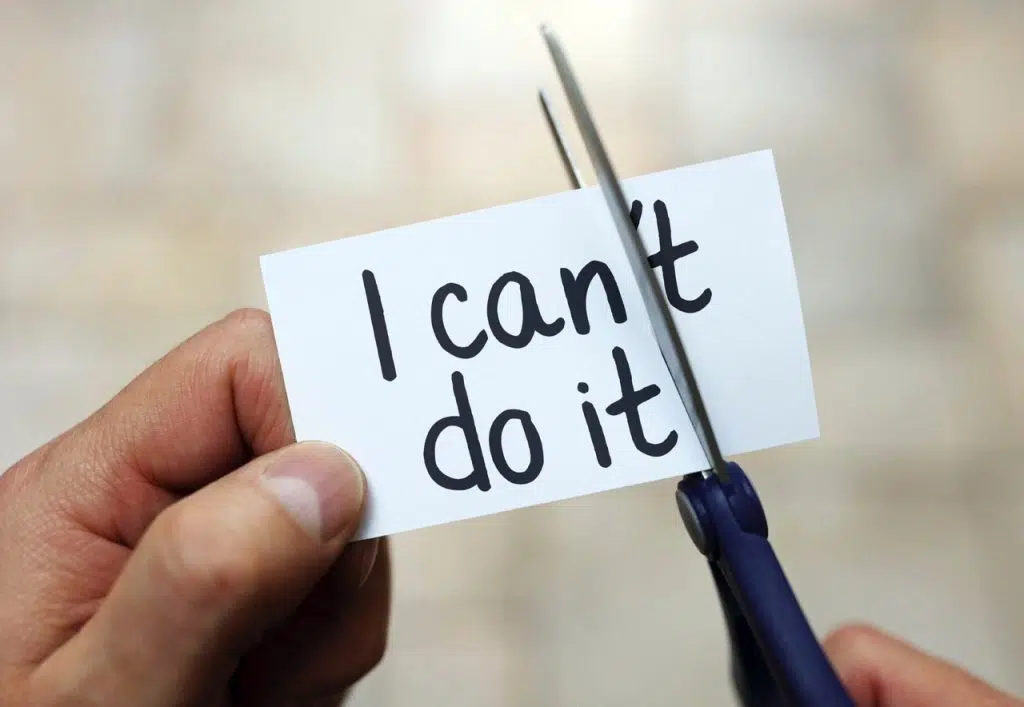
Many believe overcoming challenges like addiction is purely a test of willpower. However, research and practical experience reveal that willpower is a finite resource. This article unpacks why a strategic, supported, and self-aware approach is far more effective than simply trying to 'tough it out' offering actionable insights for lasting behavior change.
Introduction
Many people think overcoming deeply ingrained behaviors, particularly in the context of addiction, is just a matter of saying no. The common perception is that individuals who struggle simply lack willpower. However, this perspective overlooks the complex interplay of brain chemistry, learned patterns, and environmental factors at play. Willpower is indeed a real mental faculty, but it is also a limited one. True, lasting behavior change requires more than just raw force of will; it demands strategy, consistent support, and a profound understanding of oneself.
What Willpower Actually Is
To understand why willpower alone isn't enough, it's crucial to first define what it is. Think of willpower as your mental energy for self-control. It's the cognitive resource you use for making conscious decisions, resisting impulses, focusing attention, and regulating emotions. Every time you choose a healthy snack over a treat, force yourself to exercise, or manage stress in a difficult conversation, you're drawing from your well of willpower.
Just like a muscle, willpower can get tired with overuse. This phenomenon is known as decision fatigue. Throughout the day, as you make countless decisions and exert self-control, your willpower reserves deplete. Relying solely on willpower to navigate complex challenges is akin to expecting a marathon runner to sprint the entire race; it's simply unsustainable for any human.
Why Willpower Fails in Addiction
The notion that willpower is the sole determinant of success in overcoming addiction is not only inaccurate but also can lead to feelings of shame and self-blame. Here's why willpower often falls short when confronted with addiction:
Addiction Creates Strong Learned Patterns
Over time, the brain forms powerful associations between substances or behaviors and feelings of relief or reward. These neurological pathways become incredibly strong, operating on a type of 'autopilot' that can bypass conscious decision-making. These learned patterns, often referred to as cue-reward loops, are deeply ingrained, making it incredibly difficult to simply 'will' them away. This is a key insight into 'Willpower vs. Cravings: What Research Shows.'
Triggers Override Willpower
Willpower is particularly vulnerable to triggers. These can be:
Emotional triggers: Stress, anxiety, loneliness, sadness, or even extreme happiness.
Environmental triggers: Specific places, people, or objects associated with past use.
Internal states: Fatigue, hunger, lack of sleep, or physical discomfort.
When a trigger is encountered, the learned patterns can activate with such intensity that they easily overwhelm a depleted willpower reserve. This is why 'The Myth of 'Just Say No'' persists despite scientific evidence.
The Stress-Use Loop
Stress significantly impacts willpower. High stress levels reduce cognitive resources, making it harder to exert self-control. This reduced willpower then makes cravings feel stronger and more difficult to resist. Giving in to these cravings might offer temporary relief, but it ultimately creates more stress, perpetuating a vicious 'stress-use loop.' This helps explain 'Why Stress Makes It Hard to Resist Drinking.' Understanding this loop is crucial, and tools that help recognize changes in condition, such as those that integrate data from a wearable device, can offer valuable insights into personal stress and sleep patterns, a core philosophy of the coobi care app.
Willpower Fights the Symptom, Not the Cause
Willpower attempts to suppress an urge or a craving. However, these urges are symptoms driven by underlying cue-reward loops, unmanaged stress, or unmet coping needs. Without addressing these root causes, willpower is constantly fighting an uphill battle, often getting overwhelmed because it's tackling the surface manifestation rather than the deeper mechanisms.
What Actually Helps (Instead of Relying on Willpower)
Shifting away from a willpower-centric approach opens up a world of practical, effective strategies. Here are the tools that truly empower sustainable change:
Understanding Your Triggers
The first step is awareness. What specific situations, emotions, or environments spark an urge? Examples include arguments, feelings of loneliness, celebrations, or even daily routines. Actively tracking these patterns is incredibly powerful. The coobi care app, for instance, encourages users to recognize and reflect on changes in behavior and condition, providing a structured way to identify and understand personal triggers, fostering self-initiative.
Building New Coping Strategies
Instead of suppressing urges, learn to navigate them. Develop a repertoire of healthy, alternative responses. This could include small replacements like taking a walk, calling a supportive friend, practicing breathing exercises, or engaging in a distracting hobby. Emotional regulation tools and self-soothing techniques that don't involve substances are vital for long-term success.
Reducing the Number of 'Decision Points'
Willpower is conserved when actions become automatic. Establishing routines and positive habits protects your mental energy. This means proactively creating an environment and schedule that supports your goals. Examples include temporarily avoiding specific places or social situations that are high-risk, or pre-planning engaging activities during times when you feel most vulnerable. This approach helps you design your environment for success, much like building an automated workflow.
Managing Stress & Sleep
As discussed, stress and poor sleep are major detractors of self-control. The more stressed or exhausted someone is, the harder it is to resist urges. Prioritizing these fundamental aspects of well-being is not optional; it's foundational. Practical tips include establishing consistent bedtime routines, incorporating regular movement, and practicing relaxation habits like mindfulness. This is another area where data from a wearable device, integrated with a support tool like the coobi care app, can assist in recognizing and reflecting on personal stress and sleep patterns, thereby supporting preventative strategies.
Environmental Adjustments
Make your physical environment work for you, not against you. This involves removing cues or easy access to substances, making your home a physically supportive space, and changing small routines that might inadvertently lead to use. For example, if you always used a substance after dinner, change your post-dinner activity to something entirely different.
Getting Support (Not Going Alone)
No one needs to navigate this journey in isolation. Support can come in many forms: trusted friends, family, peer support groups, or qualified professionals. Talking to someone reduces the burden, increases accountability, and provides different perspectives. Digital self-help tools and online communities, such as those facilitated by the coobi care app, can also be instrumental in fostering social connections and promoting sustainable recovery success by providing informational and behavioral guidance and enabling communication with healthcare providers. The coobi care app supports users in crises and encourages healthy self-initiative.
The Power of Preparation
Success in behavior change comes from planning, not just 'being strong.' Pre-planning your responses to cravings and difficult moments significantly reduces stress and preserves willpower. Create a 'difficult moment plan': If X happens (e.g., I feel an intense craving, I encounter a trigger), I will do Y (e.g., call my sponsor, go for a walk, use a coping skill). This proactive approach automates your response, preventing your willpower from being drained by reactive decision-making in a moment of vulnerability.
Self-Compassion vs. 'Toughing It Out'
Many people react to 'slips' or challenges with harsh self-criticism, believing that 'toughing it out' is the answer. However, shame and self-blame actually deplete willpower and hinder behavior change. Research shows that self-compassion significantly improves resilience and the ability to get back on track. Treating yourself with the same kindness and understanding you would offer a friend who is struggling fosters a gentle mindset, which paradoxically leads to stronger resilience. Focus on progress, not perfection, and acknowledge your efforts.
A New Way to Think About Change
Changing your relationship with substances isn't about being stronger; it's about being smarter, prepared, supported, and self-aware. It's not a heroic feat of brute force, but rather a skill to develop, a process to navigate, and a journey of continuous learning. By understanding the limitations of willpower and embracing strategic, practical tools, you empower yourself to build lasting change and a life of choice. This is what 'What People Who Successfully Change Their Drinking Do Differently' truly reflects: a strategic shift from relying on finite willpower to building robust support systems and actionable plans.
Many believe overcoming challenges like addiction is purely a test of willpower. However, research and practical experience reveal that willpower is a finite resource. This article unpacks why a strategic, supported, and self-aware approach is far more effective than simply trying to 'tough it out' offering actionable insights for lasting behavior change.
Introduction
Many people think overcoming deeply ingrained behaviors, particularly in the context of addiction, is just a matter of saying no. The common perception is that individuals who struggle simply lack willpower. However, this perspective overlooks the complex interplay of brain chemistry, learned patterns, and environmental factors at play. Willpower is indeed a real mental faculty, but it is also a limited one. True, lasting behavior change requires more than just raw force of will; it demands strategy, consistent support, and a profound understanding of oneself.
What Willpower Actually Is
To understand why willpower alone isn't enough, it's crucial to first define what it is. Think of willpower as your mental energy for self-control. It's the cognitive resource you use for making conscious decisions, resisting impulses, focusing attention, and regulating emotions. Every time you choose a healthy snack over a treat, force yourself to exercise, or manage stress in a difficult conversation, you're drawing from your well of willpower.
Just like a muscle, willpower can get tired with overuse. This phenomenon is known as decision fatigue. Throughout the day, as you make countless decisions and exert self-control, your willpower reserves deplete. Relying solely on willpower to navigate complex challenges is akin to expecting a marathon runner to sprint the entire race; it's simply unsustainable for any human.
Why Willpower Fails in Addiction
The notion that willpower is the sole determinant of success in overcoming addiction is not only inaccurate but also can lead to feelings of shame and self-blame. Here's why willpower often falls short when confronted with addiction:
Addiction Creates Strong Learned Patterns
Over time, the brain forms powerful associations between substances or behaviors and feelings of relief or reward. These neurological pathways become incredibly strong, operating on a type of 'autopilot' that can bypass conscious decision-making. These learned patterns, often referred to as cue-reward loops, are deeply ingrained, making it incredibly difficult to simply 'will' them away. This is a key insight into 'Willpower vs. Cravings: What Research Shows.'
Triggers Override Willpower
Willpower is particularly vulnerable to triggers. These can be:
Emotional triggers: Stress, anxiety, loneliness, sadness, or even extreme happiness.
Environmental triggers: Specific places, people, or objects associated with past use.
Internal states: Fatigue, hunger, lack of sleep, or physical discomfort.
When a trigger is encountered, the learned patterns can activate with such intensity that they easily overwhelm a depleted willpower reserve. This is why 'The Myth of 'Just Say No'' persists despite scientific evidence.
The Stress-Use Loop
Stress significantly impacts willpower. High stress levels reduce cognitive resources, making it harder to exert self-control. This reduced willpower then makes cravings feel stronger and more difficult to resist. Giving in to these cravings might offer temporary relief, but it ultimately creates more stress, perpetuating a vicious 'stress-use loop.' This helps explain 'Why Stress Makes It Hard to Resist Drinking.' Understanding this loop is crucial, and tools that help recognize changes in condition, such as those that integrate data from a wearable device, can offer valuable insights into personal stress and sleep patterns, a core philosophy of the coobi care app.
Willpower Fights the Symptom, Not the Cause
Willpower attempts to suppress an urge or a craving. However, these urges are symptoms driven by underlying cue-reward loops, unmanaged stress, or unmet coping needs. Without addressing these root causes, willpower is constantly fighting an uphill battle, often getting overwhelmed because it's tackling the surface manifestation rather than the deeper mechanisms.
What Actually Helps (Instead of Relying on Willpower)
Shifting away from a willpower-centric approach opens up a world of practical, effective strategies. Here are the tools that truly empower sustainable change:
Understanding Your Triggers
The first step is awareness. What specific situations, emotions, or environments spark an urge? Examples include arguments, feelings of loneliness, celebrations, or even daily routines. Actively tracking these patterns is incredibly powerful. The coobi care app, for instance, encourages users to recognize and reflect on changes in behavior and condition, providing a structured way to identify and understand personal triggers, fostering self-initiative.
Building New Coping Strategies
Instead of suppressing urges, learn to navigate them. Develop a repertoire of healthy, alternative responses. This could include small replacements like taking a walk, calling a supportive friend, practicing breathing exercises, or engaging in a distracting hobby. Emotional regulation tools and self-soothing techniques that don't involve substances are vital for long-term success.
Reducing the Number of 'Decision Points'
Willpower is conserved when actions become automatic. Establishing routines and positive habits protects your mental energy. This means proactively creating an environment and schedule that supports your goals. Examples include temporarily avoiding specific places or social situations that are high-risk, or pre-planning engaging activities during times when you feel most vulnerable. This approach helps you design your environment for success, much like building an automated workflow.
Managing Stress & Sleep
As discussed, stress and poor sleep are major detractors of self-control. The more stressed or exhausted someone is, the harder it is to resist urges. Prioritizing these fundamental aspects of well-being is not optional; it's foundational. Practical tips include establishing consistent bedtime routines, incorporating regular movement, and practicing relaxation habits like mindfulness. This is another area where data from a wearable device, integrated with a support tool like the coobi care app, can assist in recognizing and reflecting on personal stress and sleep patterns, thereby supporting preventative strategies.
Environmental Adjustments
Make your physical environment work for you, not against you. This involves removing cues or easy access to substances, making your home a physically supportive space, and changing small routines that might inadvertently lead to use. For example, if you always used a substance after dinner, change your post-dinner activity to something entirely different.
Getting Support (Not Going Alone)
No one needs to navigate this journey in isolation. Support can come in many forms: trusted friends, family, peer support groups, or qualified professionals. Talking to someone reduces the burden, increases accountability, and provides different perspectives. Digital self-help tools and online communities, such as those facilitated by the coobi care app, can also be instrumental in fostering social connections and promoting sustainable recovery success by providing informational and behavioral guidance and enabling communication with healthcare providers. The coobi care app supports users in crises and encourages healthy self-initiative.
The Power of Preparation
Success in behavior change comes from planning, not just 'being strong.' Pre-planning your responses to cravings and difficult moments significantly reduces stress and preserves willpower. Create a 'difficult moment plan': If X happens (e.g., I feel an intense craving, I encounter a trigger), I will do Y (e.g., call my sponsor, go for a walk, use a coping skill). This proactive approach automates your response, preventing your willpower from being drained by reactive decision-making in a moment of vulnerability.
Self-Compassion vs. 'Toughing It Out'
Many people react to 'slips' or challenges with harsh self-criticism, believing that 'toughing it out' is the answer. However, shame and self-blame actually deplete willpower and hinder behavior change. Research shows that self-compassion significantly improves resilience and the ability to get back on track. Treating yourself with the same kindness and understanding you would offer a friend who is struggling fosters a gentle mindset, which paradoxically leads to stronger resilience. Focus on progress, not perfection, and acknowledge your efforts.
A New Way to Think About Change
Changing your relationship with substances isn't about being stronger; it's about being smarter, prepared, supported, and self-aware. It's not a heroic feat of brute force, but rather a skill to develop, a process to navigate, and a journey of continuous learning. By understanding the limitations of willpower and embracing strategic, practical tools, you empower yourself to build lasting change and a life of choice. This is what 'What People Who Successfully Change Their Drinking Do Differently' truly reflects: a strategic shift from relying on finite willpower to building robust support systems and actionable plans.