Redefining ‘Fun’ Without Alcohol or Substance Use

Redefining ‘Fun’ Without Alcohol or Substance Use

Jan 8, 2026

Can I have fun without Drinking?

Many people worry that reducing or stopping substance use means losing fun, a common misconception. Fun is often culturally linked to alcohol or other substances, creating a powerful association. The good news is that the idea of "fun" can evolve, just as we do. This article explores how fun changes, it does not disappear, when substances are removed, opening doors to deeper, more authentic joy. If you're wondering, "Can you have fun without alcohol?" or seeking "substance-free fun ideas," you're in the right place. We'll guide you through understanding this transformation.

How Alcohol and Substances Became Linked to ‘Fun’

This link is learned and learned associations can change.

Cultural Conditioning

From celebratory toasts to social gatherings and even unwinding after a long day, substances frequently feature in our culture's depiction of enjoyment. Media consistently reinforces the idea that alcohol or certain substances equal enjoyment, making it seem like an indispensable part of a good time.

Early Experiences Shape Expectations

For many, early social experiences involving substances brought about a sense of ease, confidence, or heightened pleasure. The brain, a quick learner, began to associate these substances with reward and positive experiences, setting up expectations for future enjoyment.

Habit, Not Preference

Over time, this learned association can turn into a habit. The pursuit of "fun" becomes automatic, often revolving around substance use, rather than an intentional exploration of what truly brings joy. People may stop questioning what they genuinely enjoy, defaulting to what they've always known.

Why Fun Can Feel ‘Flat’ at First

This phase is temporary. It is normal for the transition to feel a bit different.

The Adjustment Phase

When you remove substances, your brain needs time to recalibrate its natural reward systems. This adjustment phase means that early on, activities that once seemed exciting might feel less stimulating or even "flat." It is part of the brain learning to generate its own dopamine without external shortcuts.

Letting Go of the Shortcut

Substances often provide a fast, intense burst of stimulation. Without them, the path to pleasure becomes more subtle, requiring patience and a willingness to engage more deeply. The immediate "high" is replaced by a more sustained, authentic sense of well-being.

Emotional Awareness Increases

Without substances numbing or dampening your feelings, emotional awareness naturally increases. You begin to experience feelings more fully, both positive and negative. While this can initially feel uncomfortable or overwhelming, it is a crucial step toward genuine connection and freeing yourself from emotional suppression.

What Fun Actually Is (Beyond Substances)

Let's redefine fun beyond intoxication.

Fun Is Engagement, Not Intoxication

True fun often stems from engagement. It is about being fully present in the moment, feeling connected to others or to an activity, and being absorbed in something meaningful. Intoxication might offer a temporary escape, but presence brings lasting satisfaction.

Different Types of Fun

Fun is a broad spectrum, far beyond what substances might offer. Consider these categories for a richer understanding:

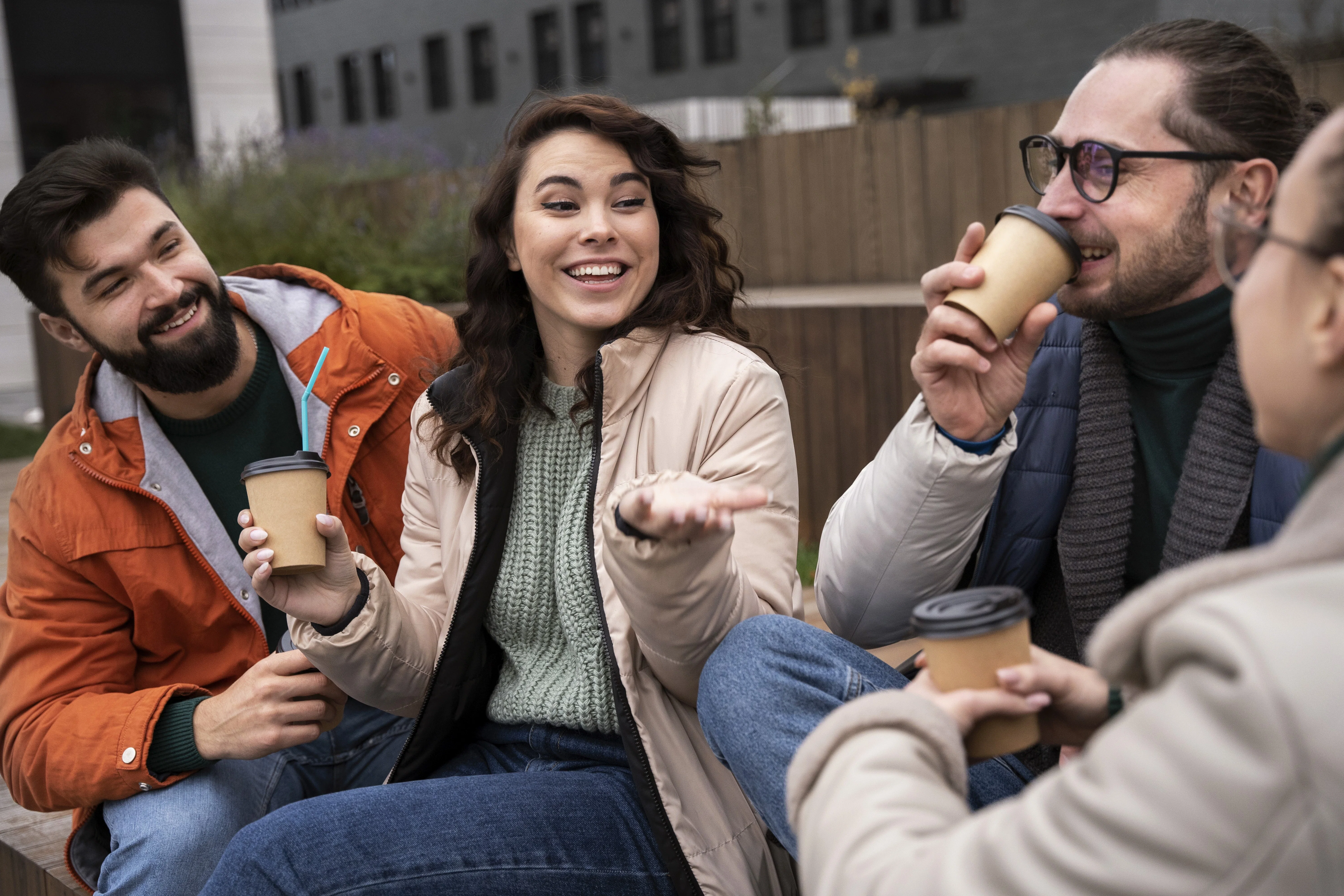
  • Social fun: Connection, genuine laughter, shared experiences with friends and family.

  • Physical fun: Movement, outdoor activities, sports, feeling energized and alive.

  • Creative fun: Expressing yourself through art, music, writing, or exploring new curiosities.

  • Relaxing fun: Comfort, calm, quiet enjoyment, rejuvenating your mind and body.

  • Meaningful fun: Engaging in activities with purpose, contributing to something larger than yourself.

This expanded definition helps you discover joy in countless new ways, answering the question, "How to enjoy life without drinking?"

How Substances Can Narrow the Experience of Fun

Substances do not add fun, they limit the range of it.

While substances might initially seem to enhance fun, over time, they can ironically constrain it. The pursuit of enjoyment becomes repetitive, often revolving solely around consumption. This can lead to a decline in creativity and curiosity, as the same routine yields diminishing returns. Furthermore, the recovery time needed after substance use often means less actual time for engaging in diverse, enriching activities. This creates a cycle where fun becomes predictable and less fulfilling.

Rediscovering Enjoyment Without Substances

This journey is about curiosity and self-discovery.

Reconnecting With Old Interests

Think back to what brought you joy before substance use became a regular part of your life. Did you have hobbies in childhood or adolescence that you loved? Rediscover painting, playing an instrument, reading, hiking, or anything that once sparked your interest. These activities can reignite a sense of purpose and natural reward.

Trying New Experiences

Embrace novelty. Trying new activities activates your brain's natural curiosity and creates new pathways for pleasure and reward. Sign up for a cooking class, join a local sports team, explore a new genre of music, or visit a nearby nature trail. New experiences are excellent "substance-free fun ideas." For those seeking to support their recovery journey, a tool like coobi care can provide informational and behavioral guidance, helping you recognize and reflect on changes in behavior and condition as you explore new interests. It promotes self-initiative in discovering what genuinely feels good.

Being Fully Present

Without the haze of substances, you can experience moments with profound clarity. Embrace genuine laughter, deep conversations, and real connection. Being fully present allows you to savor simple pleasures and build authentic memories.

Social Fun Without Alcohol or Substances

Addressing social dynamics is a significant step in finding sober fun.

Changing Social Dynamics

It is true that some friendships or social circles may heavily revolve around substances. This can feel uncomfortable at first, and some relationships may shift. This is an opportunity to cultivate deeper connections based on shared values and activities, rather than shared consumption.

Creating Substance-Free Social Experiences

Take the initiative to suggest new ways to socialize. Examples include:

  • Coffee walks or picnics in the park.

  • Game nights with board games or video games.

  • Organized sports or outdoor adventures like hiking or cycling.

  • Creative workshops, like pottery or painting classes.

These activities foster genuine connection and build a foundation for "social fun without alcohol."

Learning to Enjoy Events Differently

You can still attend events where substances are present, but change your focus. Concentrate on the people, the music, the food, or the atmosphere, rather than the drinks. It is okay to leave earlier if an environment starts to feel unsupportive. Remember, your comfort and well-being come first.

Redefining Relaxation vs. Escapism

This is a crucial distinction for sustainable well-being.

Escapism vs. Recovery

Substances often offer a temporary escape or numbness rather than true relaxation or recovery. True relaxation replenishes your energy, calms your nervous system, and restores your mental clarity. Escapism, conversely, can lead to further depletion.

New Ways to Decompress

Discover activities that genuinely help you unwind and feel restored. Consider:

  • Immersing yourself in music.

  • Spending time in nature.

  • Enjoying a good book.

  • Taking a warm bath or practicing mindfulness.

  • Adopting gentle evening routines that signal relaxation to your body.

These practices offer real recovery and build resilience, preventing relapses and strengthening users in challenging situations.

Fun Looks Different at Different Stages

Remove the pressure to constantly chase intense excitement.

Fun does not always have to be loud, exhilarating, or intense. Sometimes, fun manifests as quiet joy, a sense of contentment, or a peaceful appreciation for simple moments. Your preferences for fun will naturally evolve as you do. What felt exciting in your twenties might be different from what brings you joy in your forties. You do not need to chase excitement; you can allow enjoyment to unfold naturally in its own time.

Handling the Fear of Missing Out (FOMO)

Practical reassurance is key when facing FOMO.

The fear of missing out, or FOMO, is a common feeling when redefining your relationship with substances. It is important to know that FOMO often fades with experience as you build a new, fulfilling life. While you may miss some specific moments, you will gain so much more in terms of clarity, genuine connection, and personal growth. Focus on quality over quantity in your experiences. Ask yourself: "What do I gain when I am present and clear?" The answers often highlight deeper, more sustainable joys.

If You Don’t Feel Fun Yet, That’s Okay

This is a very important part of the journey.

It is perfectly normal if fun does not immediately return or feel the same as before. For many, finding joy without substances is a gradual process that takes time. This does not mean something is wrong with you or your path. Instead of forcing it, focus on curiosity. Explore new activities, engage in self-care, and allow yourself the space to rediscover enjoyment without pressure. You are learning how to enjoy life differently, and that is a significant achievement. A digital support tool like coobi care can aid in recovery by providing informational and behavioral guidance, helping you recognize and reflect on changes in your behavior and condition as you navigate this process. It fosters your social connections and encourages healthy self-initiative as you learn to enjoy life differently.

Building a Life That Feels Enjoyable, Not Just ‘Acceptable’

Zoom out to your overall lifestyle.

Redefining fun is part of building a life that feels genuinely enjoyable, not just tolerable or "acceptable." This involves establishing healthy structure and routine, engaging in meaningful activities that align with your values, and finding a sustainable balance between effort and rest. It is about crafting a lifestyle that supports your well-being holistically. The coobi care app can help you achieve sustainable recovery success. It helps you prevent relapses and strengthens you in crisis situations by supporting the recognition and reflection of changes in behavior and condition, and providing interventions tailored to your specific situation, all while encouraging healthy self-initiative in building a life that truly thrives.

Conclusion

End with hope and permission.

Fun does not disappear when you remove substances from your life; it transforms. Substance-free fun is often deeper, more sustainable, and ultimately more fulfilling, rooted in genuine connection and presence. You are allowed to redefine enjoyment on your own terms, letting go of old associations and embracing new possibilities. Fun without substances is not about deprivation; it is about discovering what genuinely feels good to you and building a life rich with authentic joy. This is "what fun looks like in recovery" and beyond.

Many people worry that reducing or stopping substance use means losing fun, a common misconception. Fun is often culturally linked to alcohol or other substances, creating a powerful association. The good news is that the idea of "fun" can evolve, just as we do. This article explores how fun changes, it does not disappear, when substances are removed, opening doors to deeper, more authentic joy. If you're wondering, "Can you have fun without alcohol?" or seeking "substance-free fun ideas," you're in the right place. We'll guide you through understanding this transformation.

How Alcohol and Substances Became Linked to ‘Fun’

This link is learned and learned associations can change.

Cultural Conditioning

From celebratory toasts to social gatherings and even unwinding after a long day, substances frequently feature in our culture's depiction of enjoyment. Media consistently reinforces the idea that alcohol or certain substances equal enjoyment, making it seem like an indispensable part of a good time.

Early Experiences Shape Expectations

For many, early social experiences involving substances brought about a sense of ease, confidence, or heightened pleasure. The brain, a quick learner, began to associate these substances with reward and positive experiences, setting up expectations for future enjoyment.

Habit, Not Preference

Over time, this learned association can turn into a habit. The pursuit of "fun" becomes automatic, often revolving around substance use, rather than an intentional exploration of what truly brings joy. People may stop questioning what they genuinely enjoy, defaulting to what they've always known.

Why Fun Can Feel ‘Flat’ at First

This phase is temporary. It is normal for the transition to feel a bit different.

The Adjustment Phase

When you remove substances, your brain needs time to recalibrate its natural reward systems. This adjustment phase means that early on, activities that once seemed exciting might feel less stimulating or even "flat." It is part of the brain learning to generate its own dopamine without external shortcuts.

Letting Go of the Shortcut

Substances often provide a fast, intense burst of stimulation. Without them, the path to pleasure becomes more subtle, requiring patience and a willingness to engage more deeply. The immediate "high" is replaced by a more sustained, authentic sense of well-being.

Emotional Awareness Increases

Without substances numbing or dampening your feelings, emotional awareness naturally increases. You begin to experience feelings more fully, both positive and negative. While this can initially feel uncomfortable or overwhelming, it is a crucial step toward genuine connection and freeing yourself from emotional suppression.

What Fun Actually Is (Beyond Substances)

Let's redefine fun beyond intoxication.

Fun Is Engagement, Not Intoxication

True fun often stems from engagement. It is about being fully present in the moment, feeling connected to others or to an activity, and being absorbed in something meaningful. Intoxication might offer a temporary escape, but presence brings lasting satisfaction.

Different Types of Fun

Fun is a broad spectrum, far beyond what substances might offer. Consider these categories for a richer understanding:

  • Social fun: Connection, genuine laughter, shared experiences with friends and family.

  • Physical fun: Movement, outdoor activities, sports, feeling energized and alive.

  • Creative fun: Expressing yourself through art, music, writing, or exploring new curiosities.

  • Relaxing fun: Comfort, calm, quiet enjoyment, rejuvenating your mind and body.

  • Meaningful fun: Engaging in activities with purpose, contributing to something larger than yourself.

This expanded definition helps you discover joy in countless new ways, answering the question, "How to enjoy life without drinking?"

How Substances Can Narrow the Experience of Fun

Substances do not add fun, they limit the range of it.

While substances might initially seem to enhance fun, over time, they can ironically constrain it. The pursuit of enjoyment becomes repetitive, often revolving solely around consumption. This can lead to a decline in creativity and curiosity, as the same routine yields diminishing returns. Furthermore, the recovery time needed after substance use often means less actual time for engaging in diverse, enriching activities. This creates a cycle where fun becomes predictable and less fulfilling.

Rediscovering Enjoyment Without Substances

This journey is about curiosity and self-discovery.

Reconnecting With Old Interests

Think back to what brought you joy before substance use became a regular part of your life. Did you have hobbies in childhood or adolescence that you loved? Rediscover painting, playing an instrument, reading, hiking, or anything that once sparked your interest. These activities can reignite a sense of purpose and natural reward.

Trying New Experiences

Embrace novelty. Trying new activities activates your brain's natural curiosity and creates new pathways for pleasure and reward. Sign up for a cooking class, join a local sports team, explore a new genre of music, or visit a nearby nature trail. New experiences are excellent "substance-free fun ideas." For those seeking to support their recovery journey, a tool like coobi care can provide informational and behavioral guidance, helping you recognize and reflect on changes in behavior and condition as you explore new interests. It promotes self-initiative in discovering what genuinely feels good.

Being Fully Present

Without the haze of substances, you can experience moments with profound clarity. Embrace genuine laughter, deep conversations, and real connection. Being fully present allows you to savor simple pleasures and build authentic memories.

Social Fun Without Alcohol or Substances

Addressing social dynamics is a significant step in finding sober fun.

Changing Social Dynamics

It is true that some friendships or social circles may heavily revolve around substances. This can feel uncomfortable at first, and some relationships may shift. This is an opportunity to cultivate deeper connections based on shared values and activities, rather than shared consumption.

Creating Substance-Free Social Experiences

Take the initiative to suggest new ways to socialize. Examples include:

  • Coffee walks or picnics in the park.

  • Game nights with board games or video games.

  • Organized sports or outdoor adventures like hiking or cycling.

  • Creative workshops, like pottery or painting classes.

These activities foster genuine connection and build a foundation for "social fun without alcohol."

Learning to Enjoy Events Differently

You can still attend events where substances are present, but change your focus. Concentrate on the people, the music, the food, or the atmosphere, rather than the drinks. It is okay to leave earlier if an environment starts to feel unsupportive. Remember, your comfort and well-being come first.

Redefining Relaxation vs. Escapism

This is a crucial distinction for sustainable well-being.

Escapism vs. Recovery

Substances often offer a temporary escape or numbness rather than true relaxation or recovery. True relaxation replenishes your energy, calms your nervous system, and restores your mental clarity. Escapism, conversely, can lead to further depletion.

New Ways to Decompress

Discover activities that genuinely help you unwind and feel restored. Consider:

  • Immersing yourself in music.

  • Spending time in nature.

  • Enjoying a good book.

  • Taking a warm bath or practicing mindfulness.

  • Adopting gentle evening routines that signal relaxation to your body.

These practices offer real recovery and build resilience, preventing relapses and strengthening users in challenging situations.

Fun Looks Different at Different Stages

Remove the pressure to constantly chase intense excitement.

Fun does not always have to be loud, exhilarating, or intense. Sometimes, fun manifests as quiet joy, a sense of contentment, or a peaceful appreciation for simple moments. Your preferences for fun will naturally evolve as you do. What felt exciting in your twenties might be different from what brings you joy in your forties. You do not need to chase excitement; you can allow enjoyment to unfold naturally in its own time.

Handling the Fear of Missing Out (FOMO)

Practical reassurance is key when facing FOMO.

The fear of missing out, or FOMO, is a common feeling when redefining your relationship with substances. It is important to know that FOMO often fades with experience as you build a new, fulfilling life. While you may miss some specific moments, you will gain so much more in terms of clarity, genuine connection, and personal growth. Focus on quality over quantity in your experiences. Ask yourself: "What do I gain when I am present and clear?" The answers often highlight deeper, more sustainable joys.

If You Don’t Feel Fun Yet, That’s Okay

This is a very important part of the journey.

It is perfectly normal if fun does not immediately return or feel the same as before. For many, finding joy without substances is a gradual process that takes time. This does not mean something is wrong with you or your path. Instead of forcing it, focus on curiosity. Explore new activities, engage in self-care, and allow yourself the space to rediscover enjoyment without pressure. You are learning how to enjoy life differently, and that is a significant achievement. A digital support tool like coobi care can aid in recovery by providing informational and behavioral guidance, helping you recognize and reflect on changes in your behavior and condition as you navigate this process. It fosters your social connections and encourages healthy self-initiative as you learn to enjoy life differently.

Building a Life That Feels Enjoyable, Not Just ‘Acceptable’

Zoom out to your overall lifestyle.

Redefining fun is part of building a life that feels genuinely enjoyable, not just tolerable or "acceptable." This involves establishing healthy structure and routine, engaging in meaningful activities that align with your values, and finding a sustainable balance between effort and rest. It is about crafting a lifestyle that supports your well-being holistically. The coobi care app can help you achieve sustainable recovery success. It helps you prevent relapses and strengthens you in crisis situations by supporting the recognition and reflection of changes in behavior and condition, and providing interventions tailored to your specific situation, all while encouraging healthy self-initiative in building a life that truly thrives.

Conclusion

End with hope and permission.

Fun does not disappear when you remove substances from your life; it transforms. Substance-free fun is often deeper, more sustainable, and ultimately more fulfilling, rooted in genuine connection and presence. You are allowed to redefine enjoyment on your own terms, letting go of old associations and embracing new possibilities. Fun without substances is not about deprivation; it is about discovering what genuinely feels good to you and building a life rich with authentic joy. This is "what fun looks like in recovery" and beyond.