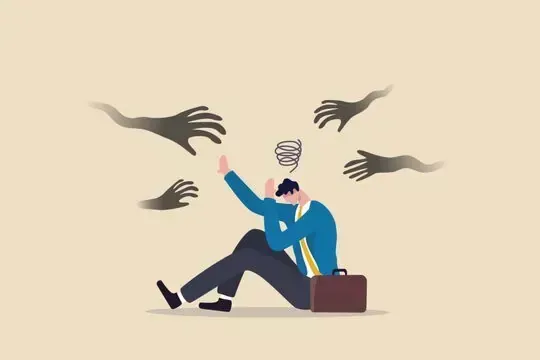
Slips are a part of any behavior change journey, particularly when addressing addiction disorders. This guide provides a practical, shame-free framework to understand, respond to, and learn from setbacks, empowering you to strengthen your path to lasting recovery and progress.
Embarking on a journey of behavior change is a powerful act of self-improvement. Whether you are building new habits, reducing unwanted behaviors, or actively pursuing recovery from addiction disorders, the path is rarely a straight line. Slips are a common, human experience in this process. What truly matters is not that a slip happens, but how you choose to respond. Panic and shame can derail your progress, turning a minor setback into a significant obstacle. Calm reflection and a supportive mindset, however, can transform a slip into a powerful learning opportunity. This guide offers a gentle, non-judgmental approach to navigating these moments, helping you stay on course without self-blame.
What Is a "Slip" And Why It Happens
Understanding what a slip is, and what it isn't, is the first step toward effective management.
A Slip Is a Moment, Not a Story
In the context of behavior change, a slip is simply a moment where you engage in the old behavior more than intended, or when you had planned not to. This could mean using a substance you're trying to limit, reverting to an old coping mechanism, or momentarily abandoning a new healthy habit. Crucially, a slip is not a failure that erases all your hard work. It does not mean you are "starting over" from zero. Instead, it is a single event within a larger narrative of progress.
Slips Are Part of the Learning Process
Every journey toward a new habit or sustained behavior change comes with its share of challenges and setbacks. These moments are not indicators of weakness, but rather rich sources of information. They offer vital insights into your triggers, underlying patterns, and unmet needs, helping you refine your strategies for the future.
Why Slips Happen
Slips are not random acts of self-sabotage. They often stem from identifiable, non-medical factors that can overwhelm our capacity for self-regulation:
Stress: High levels of stress can deplete willpower and make old comforts more appealing.
Emotional Overload: Intense emotions like sadness, anger, anxiety, or boredom can trigger old coping mechanisms.
Social Pressure: Navigating social situations where old behaviors were common can be challenging.
Fatigue or Poor Sleep: When you are physically drained, your mental defenses are often lower.
Feeling Lonely: Isolation or a lack of connection can increase vulnerability.
Old Habits Resurfacing: Established neural pathways are powerful and can reactivate under certain conditions.
Feeling Like You "Deserve a Break": The misconception that one indulgence won't matter, or that you've earned it, can lead to a slip.
Recognizing these common causes helps normalize the experience and reduce the immediate sting of shame.
Step One: Pause and Breathe
When a slip occurs, your immediate instinct might be to spiral into negative self-talk or panic. However, the most effective first response is to regulate your emotional state.
Take a moment to simply acknowledge what happened without immediately judging it or letting your thoughts race. Ground yourself in the present moment. Avoid catastrophic thoughts like "I ruined everything" or "All my progress is gone." Remember, you are not starting from zero; you are continuing from a place of experience and learning. This intentional pause prevents the immediate urge to escalate the slip into a larger, more damaging setback.
Step Two: Remove Shame From the Equation
Shame is a counterproductive emotion in the context of behavior change. Understanding its detrimental effects is key to moving forward constructively.
Shame Makes Slips Worse
Shame is a powerful stressor. When you feel ashamed, your body releases stress hormones, which can increase cravings and the urge to seek comfort in old behaviors. This creates a vicious cycle where shame fuels further slips, making it harder to break free.
Shame increases stress.
Stress increases cravings.
Cravings lead to more use.
→ Shame fuels the cycle.
Self-Compassion Leads to Real Change
Instead of shame, cultivate self-compassion. Treat yourself with the same kindness and understanding you would offer a friend who made a mistake. Reframe your internal dialogue:
"I had a hard moment, and I'm still capable of making good choices."
"This slip doesn't define me or my entire journey."
"I am learning and growing, and this is part of the process."
Self-compassion reduces stress, fosters resilience, and creates a mental space conducive to learning and positive action.
The Myth of Perfection
Behavior change is rarely, if ever, a perfectly linear ascent. No one succeeds without experiencing setbacks. Embracing the reality that perfection is a myth liberates you from the impossible standard that fuels shame. View your journey as a winding path, not a straight race.
Step Three: Reflect (Gently) on What Happened
Once you have regulated your emotions and disarmed shame, gentle reflection becomes your most powerful tool for long-term change. Approach this step with curiosity, not judgment, gathering information about the circumstances surrounding the slip.
What Was I Feeling Before the Slip?
Consider the emotional landscape leading up to the slip. Were you experiencing:
Stress or overwhelm?
Anger or frustration?
Boredom or restlessness?
Loneliness or isolation?
Anxiety or fear?
Identifying these precursor emotions can reveal recurring patterns.
What Was the Trigger?
Triggers are the cues that prompt a desire for the old behavior. These can be:
Emotional: A specific feeling or mood state.
Environmental: A particular place, time, or sensory input (e.g., smell, sound).
Social: Interaction with certain people or groups.
Situational: A specific event or daily routine.
Pinpointing triggers allows you to develop proactive coping strategies.
What Need Was I Trying to Meet?
Often, the old behavior served a purpose. What underlying need were you attempting to address with the slip? Examples include:
Comfort or solace
Distraction from difficult thoughts
Connection or social bonding
Relief from stress or pain
Celebration or reward
Understanding the function of the slip helps you find healthier alternatives to meet those same needs.
What Made Today Harder Than Usual?
Life's challenges can create vulnerabilities. Reflect on any factors that might have increased your susceptibility:
Poor sleep quality or insufficient rest.
Unexpected stress at work or home.
A particularly high workload or demanding schedule.
Emotional conflict with loved ones.
A perceived lack of support from your network.
Treating this reflection as an information-gathering exercise, rather than a self-critique, is essential for growth.
Step Four: Decide What You Need Now
Instead of dwelling on the slip, redirect your energy toward recovery and self-care. Reconnect with your present needs.
Physical Needs
Drink a glass of water.
Prioritize rest or a short nap.
Eat a nutritious meal or snack.
Take a short walk or engage in light physical activity.
Emotional Needs
Engage in kind self-talk and affirmations.
Seek comfort in a calming activity (e.g., music, reading).
Practice mindfulness or meditation to restore calm.
Talk to a trusted friend, family member, or support person.
Environmental Needs
Step outside for fresh air.
Change rooms or your immediate surroundings.
Reduce sensory stimulation.
Create a clean, organized space.
Support Needs
Reach out to a sponsor, therapist, or a supportive friend.
Use a support app, such as the coobi care app. It supports the recognition and reflection of changes in behavior and condition and fosters healthy self-initiative, all aimed at strengthening users in crisis situations and supporting relapse prevention efforts. Remember, coobi care complements medical advice and therapy; it does not replace it.
Journal a few sentences about your feelings and observations.
This immediate shift toward addressing your needs helps prevent further escalation and supports your overall well-being.
Step Five: Make a Small Plan for the Next 24 Hours
To prevent one slip from spiraling into a larger setback, create a manageable, low-pressure plan for the immediate future.
Keep the next day low-pressure: Avoid scheduling demanding tasks or highly stressful activities if possible.
Plan your evening routine: Decide how you will spend the rest of your day, incorporating healthy activities.
Prepare a non-alcoholic drink: Have appealing alternatives readily available.
Reduce exposure to triggers: Identify and temporarily avoid situations or environments that trigger old behaviors.
Write down a coping strategy: Briefly note one specific action you will take if you experience a craving in the next 24 hours.
Small, actionable plans are far more effective than grand declarations of "never again," which can be overwhelming and unsustainable.
Reframing: What You Learned From the Slip
Every slip is a potential lesson disguised as a setback. By reframing your perspective, you can transform these moments into meaningful contributions to your journey.
Identifying Patterns
Slips offer critical data points, highlighting:
Vulnerable times: Specific hours of the day, days of the week, or periods of stress.
Emotional triggers: The feelings most likely to precede a slip.
Social pressures: People or situations that make it harder to maintain your chosen behavior.
Internal states: How fatigue, hunger, or loneliness impact your resilience.
Understanding What Helps You
Use the slip as an opportunity to reinforce your coping mechanisms. Ask yourself:
What could help me next time I feel this way?
What support do I need more of to stay on track?
Which strategies have worked well in the past that I can lean on again?
Seeing Progress Instead of Problems
Even in a slip, there's often progress to acknowledge. Celebrate these small victories:
"I stopped quickly after the slip, that's significant progress."
"I noticed the trigger this time, which is a new level of awareness."
"I didn't judge myself harshly, which shows immense self-compassion and growth."
Adopting a growth mindset is fundamental to transforming slips into stepping stones.
Why Slips Do NOT Mean You Are Failing
It is vital to constantly reinforce this message: a slip is not a failure. It is an integral part of the human process of change and learning. Here's why:
Slips are feedback: They provide valuable information about areas where you might need more support, different strategies, or deeper self-awareness.
Slips show you where your challenges are: They pinpoint specific vulnerabilities in your plan, allowing you to strengthen them.
Slips mean your brain is learning new habits: Your brain is literally rewiring itself, and this process involves trial and error. Old neural pathways are strong, and it takes time and repeated effort to forge new ones.
Most long-term change includes slips: Research consistently shows that sustained behavior change and recovery journeys often involve periods of setback. This is normal, not an exception.
You are still moving forward: As long as you don't give up, you are still progressing. The only true setback is abandoning your efforts entirely.
Understand that you are still on your path, gathering wisdom and resilience with every step.
Conclusion: Every Slip Is an Opportunity to Strengthen Your Journey
Your journey of behavior change is a testament to your strength and commitment. Slips are not a sign of weakness or a reason for despair. You are not alone in experiencing them, and shame is an unnecessary burden that only hinders progress. Slips do not define you; they are moments in time that offer profound opportunities to learn, adapt, and ultimately strengthen your resolve. You are actively learning, constantly adapting your strategies, and consistently progressing towards your goals.
Tomorrow is always a new moment, not a punishment for yesterday's slip. You deserve to feel proud of continuing your journey, not ashamed of a temporary detour. Embrace these moments as valuable teachers, and keep moving forward with confidence and self-compassion.